01
Speyside
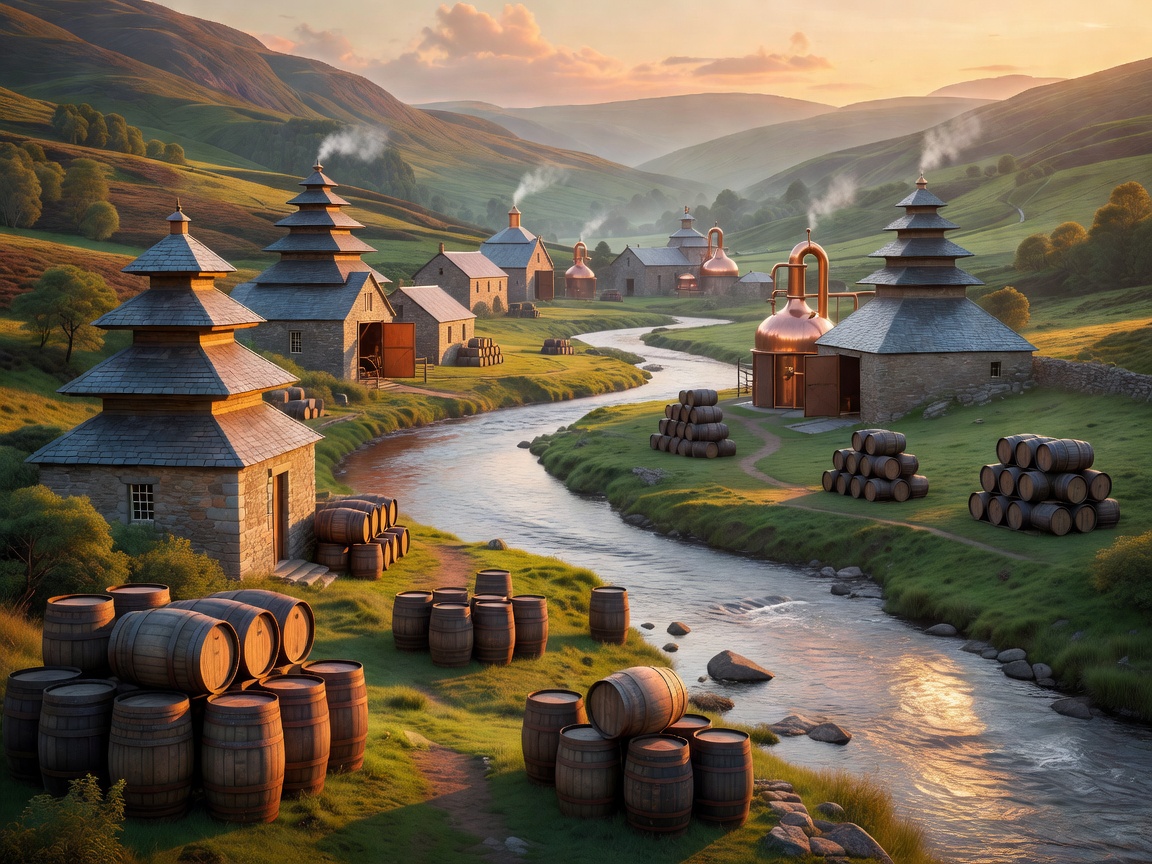
Glenfiddich, The Macallan, Glenfarclas, Mortlach and the sherry-seasoned oak trade that keeps Jerez bodegas busy.
Read the Speyside guide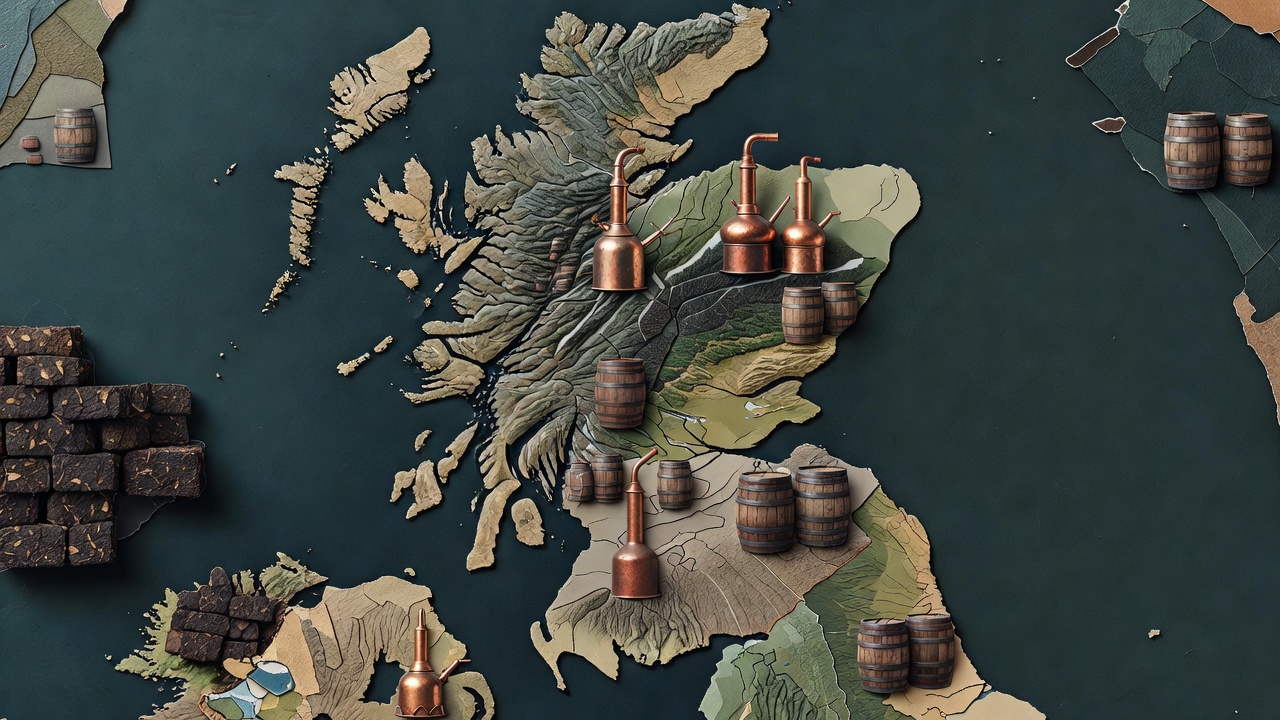
Five regions, one statutory list
The Scotch Whisky Regulations 2009 recognise Highland, Lowland, Speyside, Islay and Campbeltown. The regulations describe boundaries on a map. They say nothing whatsoever about flavour, which has never stopped anybody using them as if they did.
What this site is for
Regional labels are a shipping address that has been asked to do the work of a tasting note. They are still useful — they tell you where the barley was turned into spirit, which owners and traditions sit nearby, and which cask policies became habits. This guide takes each region in turn and separates the geography from the production decisions that actually move the spirit.
Each page covers the same ground from a different corner: how the region formed, what happens in its malting floors, still houses and warehouses, where its cask policy came from, and what the label is and is not telling you.
The guide index
Each tile leads to a full guide. None of them will tell you that all Islay whisky is smoky or that all Lowland whisky is light, because both statements collapse the moment you name a distillery.
01
Glenfiddich, The Macallan, Glenfarclas, Mortlach and the sherry-seasoned oak trade that keeps Jerez bodegas busy.
Read the Speyside guide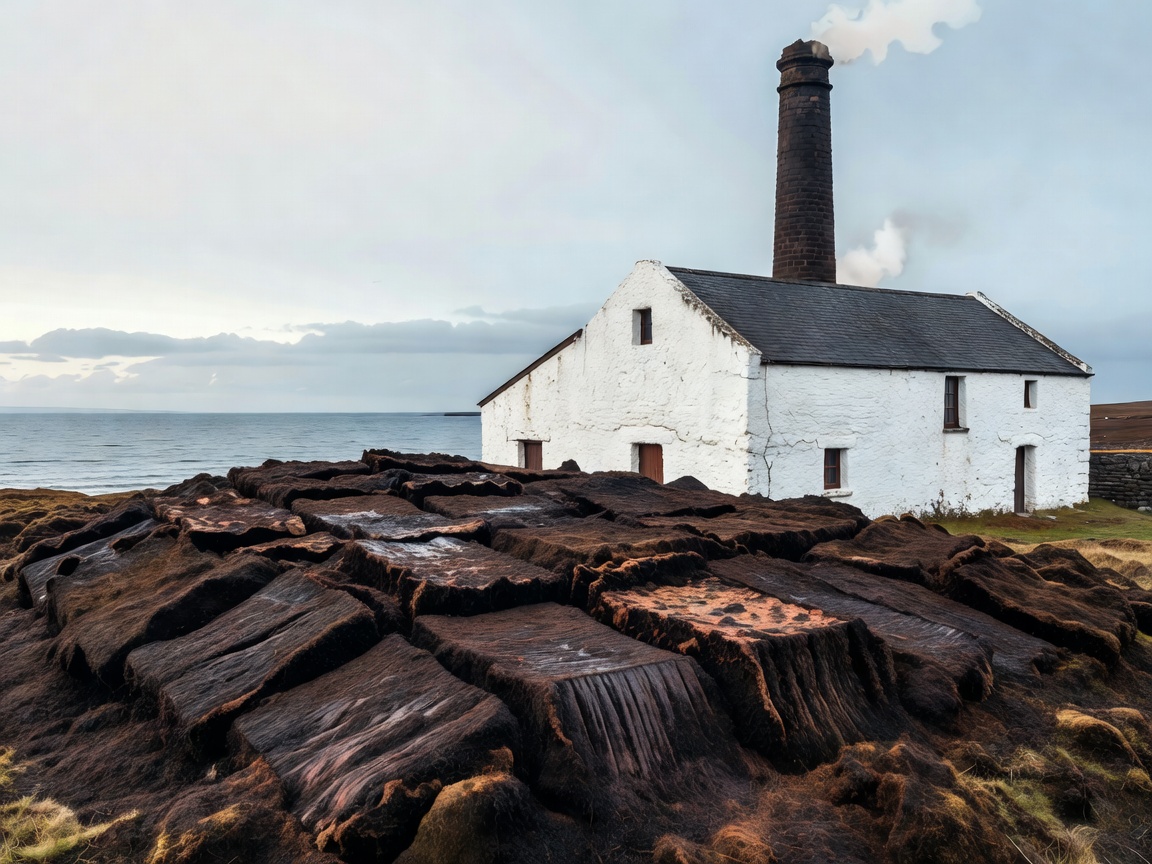
02
Kiln smoke, the Port Ellen maltings, Laphroaig and Bowmore floor malting, and the unpeated exceptions at Bunnahabhain and Bruichladdich.
Read the Islay guide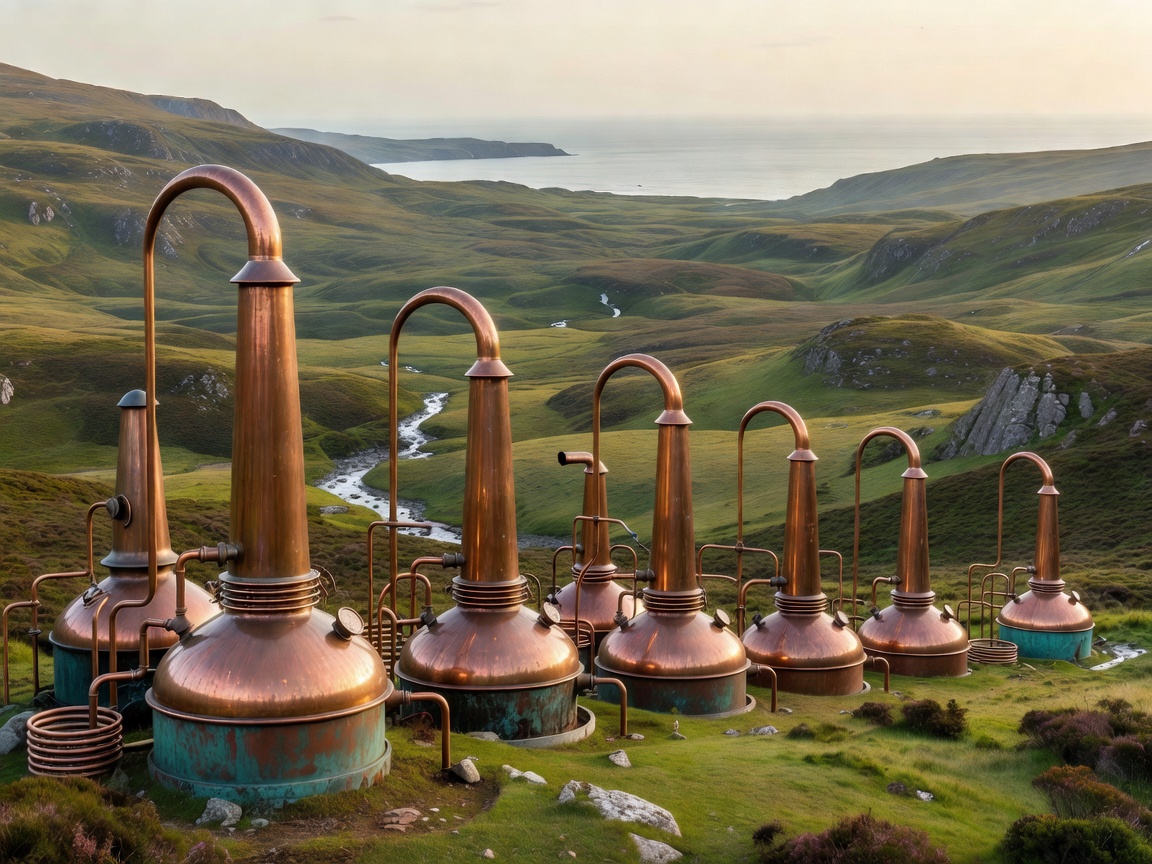
03
The region defined by everything it is not: Clynelish, Oban, Glenmorangie, Talisker and Highland Park on their legally Highland islands.
Read the Highlands guide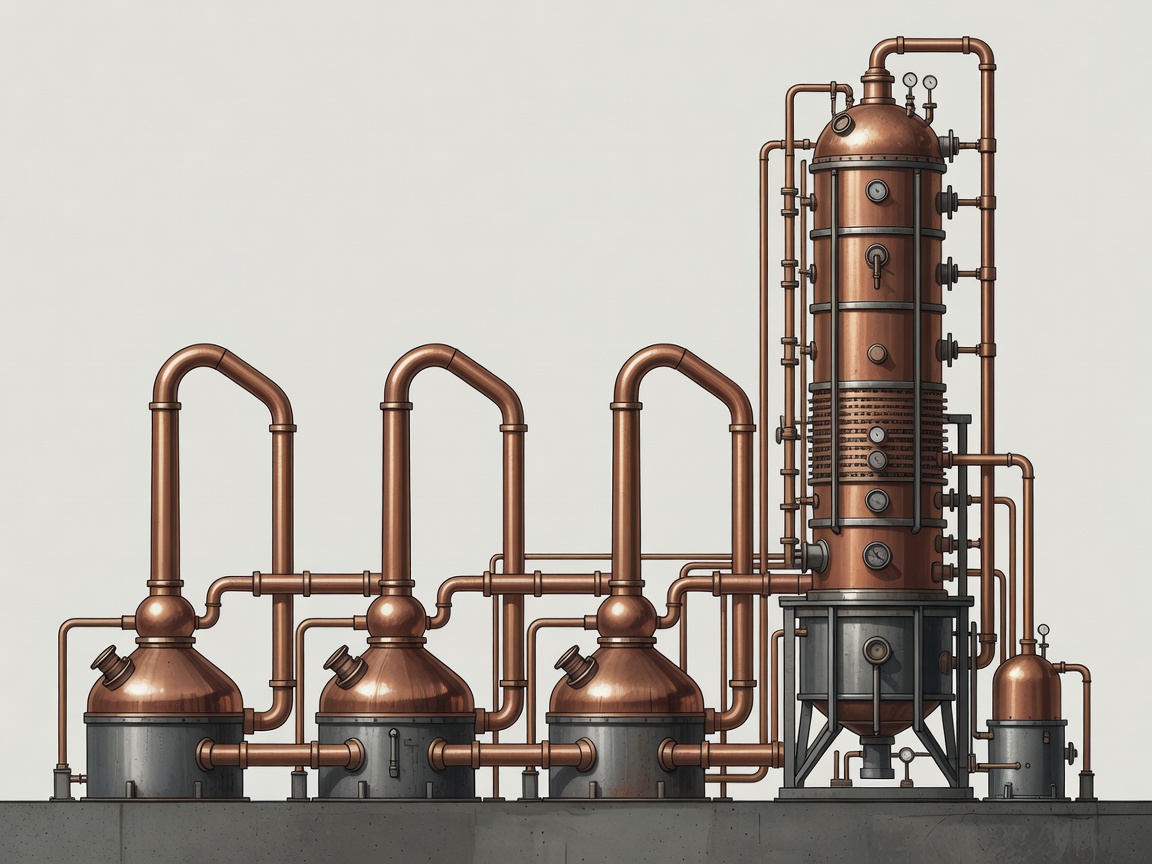
04
Auchentoshan's third distillation, Glenkinchie and Bladnoch, the farm revival at Daftmill, and the grain distilleries that fill blends nobody credits.
Read the Lowlands guide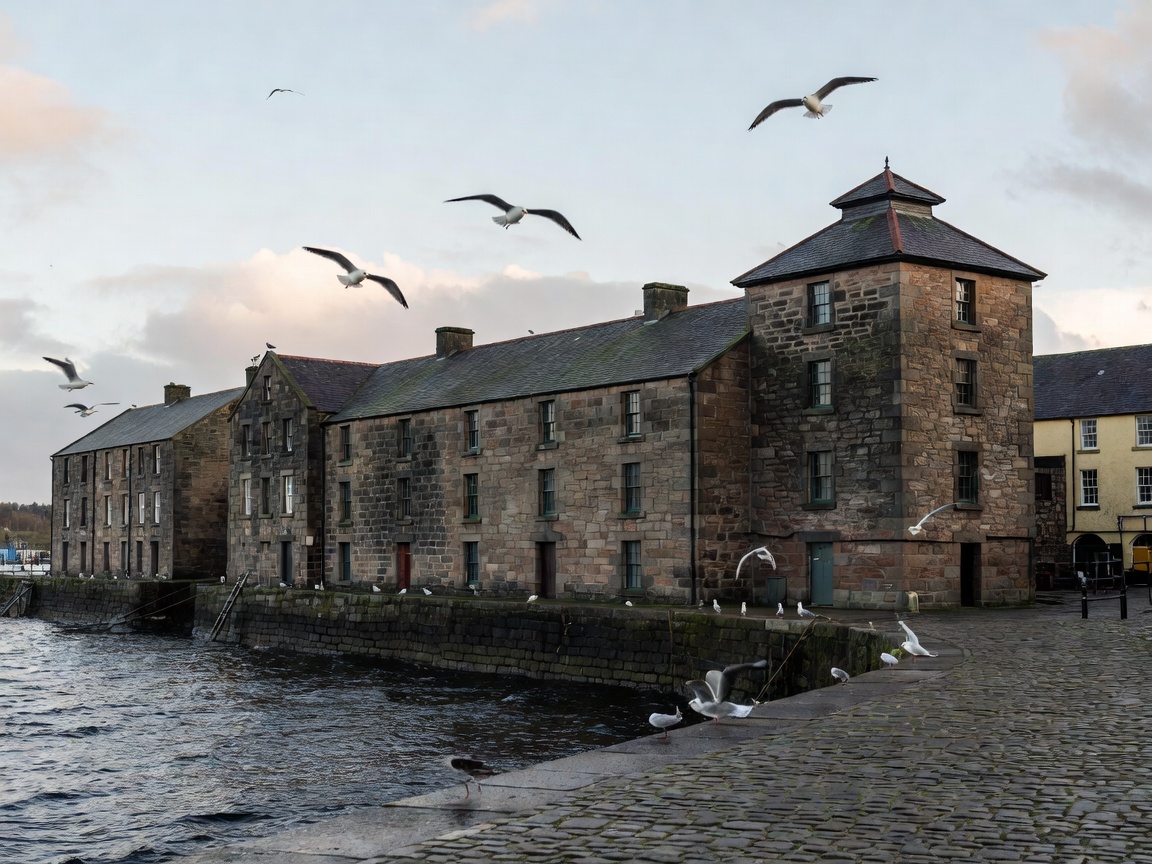
05
A former whisky capital reduced to Springbank, Glen Scotia and Glengyle — plus how to read an independent bottler's label.
Read the Campbeltown guideLabel vocabulary
Most label terms are defined either in the Scotch Whisky Regulations 2009 or by long convention. A few are defined by the marketing department, and those are the ones worth slowing down for.
The rules underneath
Whatever the region, the same statutory floor applies. These are structural requirements, not house policies, and they are set out in the Scotch Whisky Regulations 2009.
The regulations are published by the UK government and summarised by the Scotch Whisky Association. If you want the definitive wording rather than our paraphrase, go to the legislation itself.
A note on how the regional map is used
Two distilleries a short drive apart can produce spirit with almost nothing in common, because still shape, fermentation time, cut points, condenser type and cask policy all sit between the barley and the bottle. Speyside contains both featherweight and heavyweight malts. Islay contains unpeated whisky. The Highland region contains most of Scotland's land area and, unsurprisingly, most of its stylistic range.
What regional labels do reliably record is history: which markets a district supplied, which fuel it had to hand, which rail line or harbour carried the casks away, and which blending houses bought the output. That history shaped the equipment, and the equipment shapes the spirit. Read the region as a clue about the decisions upstream, not as a promise about what is in the glass.